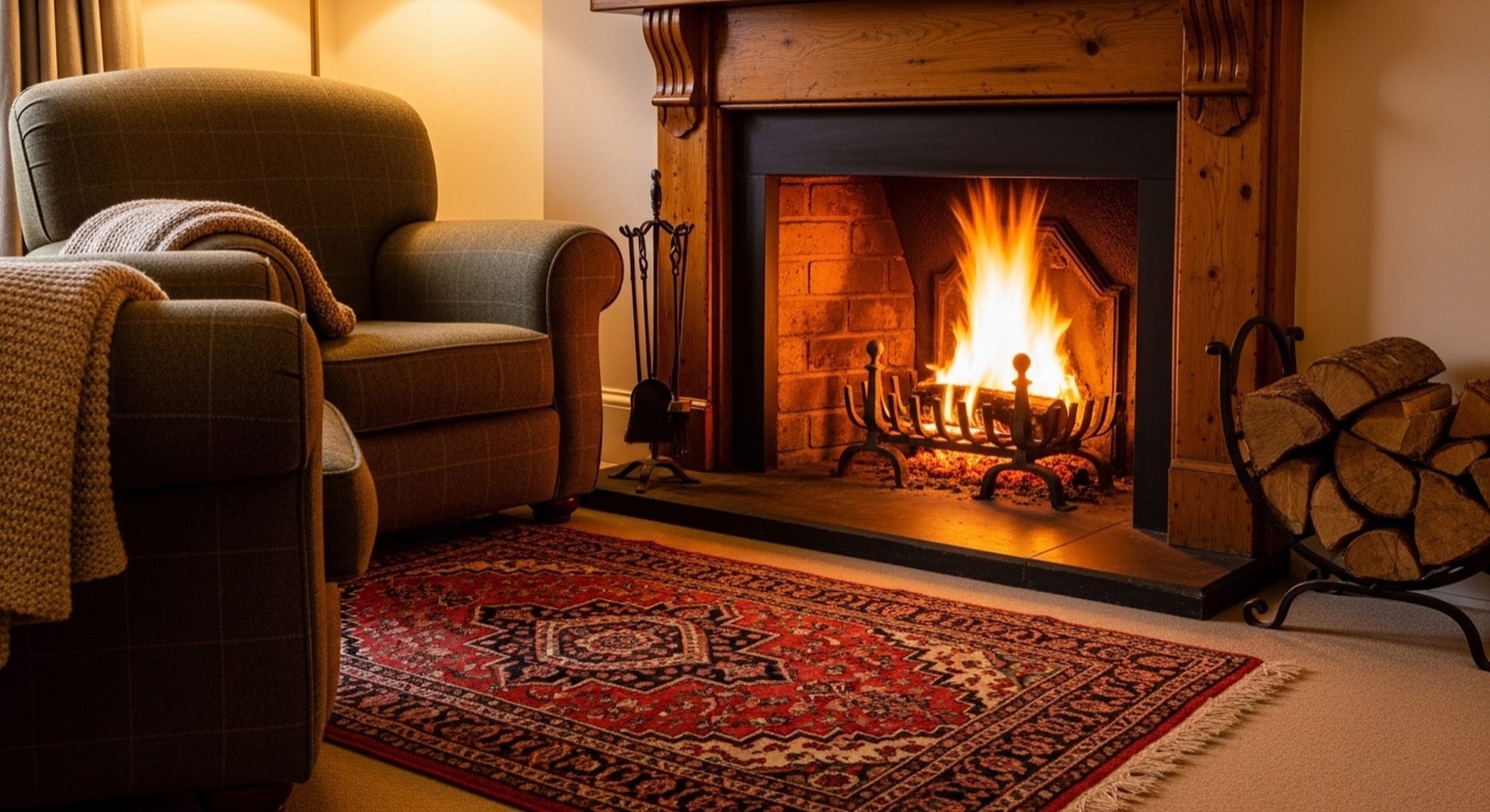
On a cold, windy night, a fireplace should be the warmest spot in the house. But for a lot of Toronto homeowners, it’s the opposite: when the fire isn’t lit, the fireplace becomes a source of chilly drafts, a faint whistle in the wind and higher heating bills.
That’s because a chimney is designed to move air out of your house, and it doesn’t stop doing that just because there’s no fire. With the heating season just getting started, here’s why your fireplace might be leaking heat and the practical ways to stop it, from quick fixes to long-term solutions.
Why Your Fireplace Feels Drafty
Warm air rises. In a heated home, that warm air is always looking for a way out, and a chimney is a tall, open path straight to the sky. This is often called the stack effect, and it’s strongest in exactly the conditions Toronto gets all winter: cold outside, warm inside and plenty of wind.
Most drafty fireplaces come down to one or more of these:
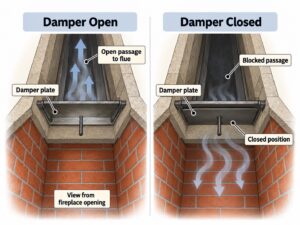
- The damper is open. It’s easy to forget after a fire, and an open damper is like leaving a window open all winter.
- The damper doesn’t seal well. Traditional throat dampers close metal against metal, with no gasket. Even when new, they leak some air. After years of heat, rust and warping, they can leak a lot.
- The damper is damaged. A cracked plate, broken handle or seized hinge can leave it partly open even when the handle says closed.
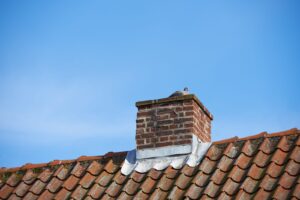
- The chimney is on an outside wall. Many older Toronto homes have exterior chimneys. The masonry gets cold and radiates that cold into the room around the fireplace.
- There’s no barrier at the fireplace opening. Without glass doors, room air flows freely toward the flue.
Quick Check: Is Your Fireplace Leaking Air?
With the damper closed and no fire burning:
- Feel for it. Hold your hand near the damper or the fireplace opening. A noticeable cold breeze means air is getting through.
- Use a smoke test. Light a stick of incense, blow it out and hold it near the closed damper. If the smoke is pulled upward or pushed toward you, the seal isn’t tight.
- Listen on a windy day. Whistling or rattling from the fireplace usually means air is moving through the flue.
- Look for light. Shine a flashlight at the edges of the closed damper. Visible gaps, rust or warping are a sign it’s time for a repair.
Can You Leave the Chimney Flue Open?
Only while you’re burning a fire and until the ashes are completely cold. That’s for safety: closing it too early can trap carbon monoxide in your home. Once the fireplace is cold, close it. (The exception is a gas log set that the manufacturer requires to stay open.) If you’re not sure which way is open, our guide on how to open and close your chimney flue walks you through it.
If the damper is closed and you’re still feeling drafts, it’s time to look at the options below.
How to Stop Heat Loss Up Your Chimney
1. Use a chimney flue blocker (for fireplaces you rarely use)
A chimney flue blocker, sometimes called a chimney balloon or draft stopper, is a plug that sits inside the flue, usually just above or below the damper. Most are inflatable or made of foam, and they fill the gap to stop air movement. They’re inexpensive and can make a noticeable difference in a fireplace you use only a few times a season.
They come with important rules:
- Always remove it before lighting a fire. Lighting a fire with a blocker in place can cause smoke and carbon monoxide to back into your home and can damage or ignite the blocker. Many come with a bright reminder tag that hangs into the firebox. Use it.
- Get the right size. A blocker that’s too small won’t seal, and one that’s too large can be hard to remove. Measure the flue opening before you buy.
- Use it only in a fireplace flue. Never block a flue that vents a furnace, boiler or water heater.
2. Install glass fireplace doors
Glass doors create a barrier between your room and the firebox. They reduce the amount of heated room air pulled up the chimney after a fire has died down and when the fireplace is idle. Make sure doors are sized to your fireplace opening and that you follow the manufacturer’s instructions for use during a fire.
3. Repair or replace a worn throat damper
If your damper is rusted, warped or no longer closes all the way, a repair can restore the seal. In some cases, replacing the plate or mechanism is enough. Our team handles damper installation and repair.
4. Upgrade to a top-sealing damper
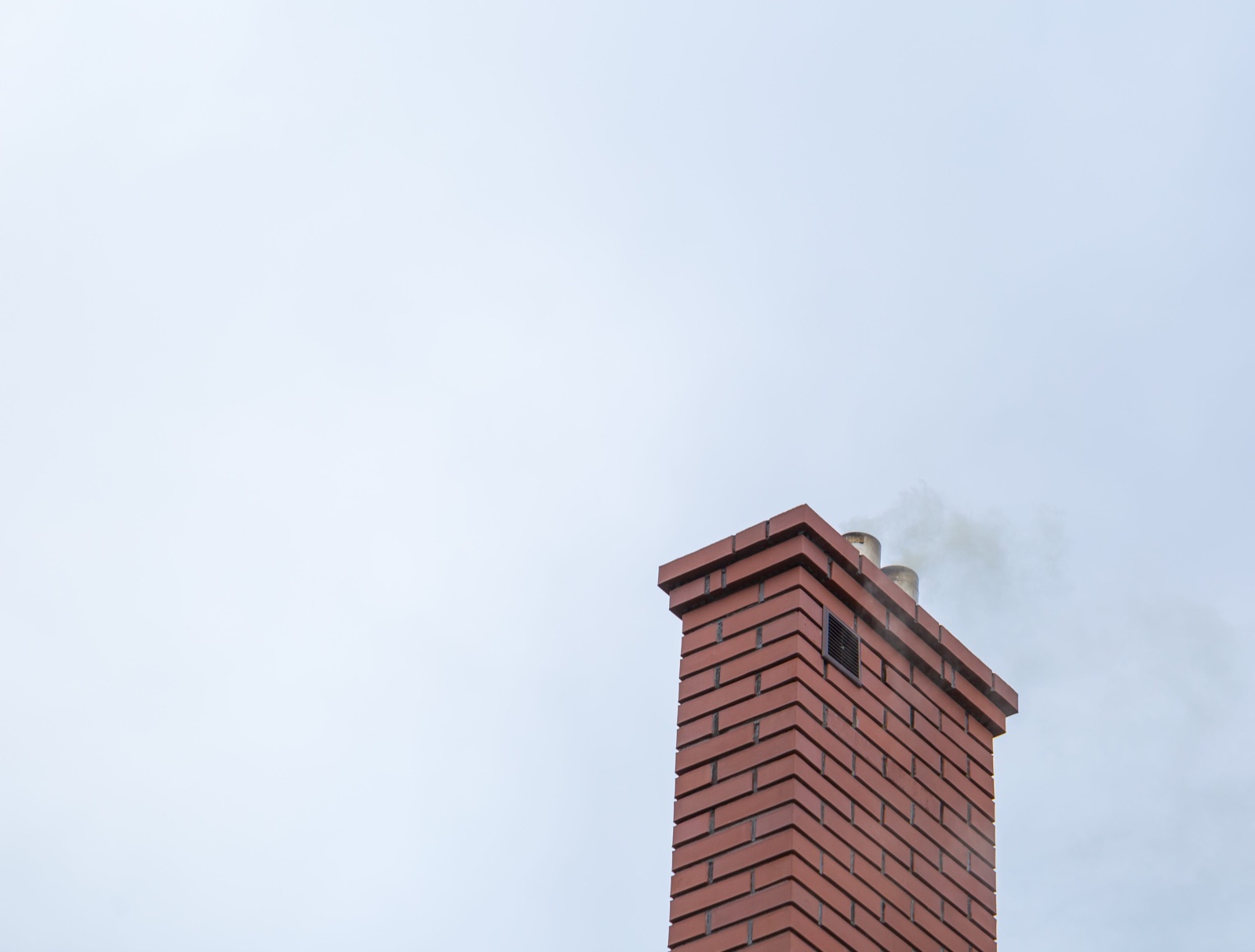
For a long-term fix, a top-sealing damper is one of the most effective upgrades you can make to a wood-burning fireplace. It mounts at the top of the chimney and closes with a rubber or silicone gasket, creating a much tighter seal than a metal throat damper. You open and close it with a chain or cable that hangs into the firebox.
Because it seals at the top, it also:
- Keeps rain and snow out of the flue when closed
- Acts as a barrier against animals trying to get in
- Keeps the column of air in the flue a little warmer, which can help the fireplace draft better when you light it
It’s essentially a chimney cap that opens and closes, which is why homeowners searching for “chimney caps that open and close” are usually looking for exactly this.
What Not to Do
When the drafts get annoying, it’s tempting to try a quick fix. Please avoid these:
- Don’t stuff the flue with insulation, rags, pillows or newspaper. These are fire hazards, can fall onto the damper or into the firebox and are easy to forget about.
- Don’t tape or caulk the damper shut. You need to be able to open it, and sealants aren’t designed for that heat.
- Don’t permanently seal the top of the chimney. It can trap moisture inside and lead to serious damage over time. Here’s why you should never seal your chimney at the top.
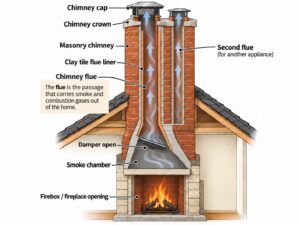
- Don’t block any flue connected to a gas furnace, boiler or water heater. These need to vent at all times. If you’re not sure which flue serves which appliance, our guide to what a chimney flue is explains how chimneys with more than one flue work.
Drafts Can Point to Bigger Problems
A drafty fireplace is usually about the damper. But cold air, a musty smell or water staining near the fireplace can also signal a damaged cap, a cracked crown or deteriorating mortar, especially after years of Toronto freeze-thaw cycles. If something feels off, an annual chimney sweep and inspection will catch it early, before winter makes it worse.
Keep the Heat in This Winter
A1 Quality Chimney has served homeowners across Toronto, Mississauga, Vaughan, Markham and Brampton for over 40 years. Our WETT-certified technicians can check your damper, repair it or install a top-sealing damper that keeps the cold out all winter.
Feeling a draft from your fireplace? Call A1 Quality Chimney at (416) 231-6560 or book online to have your damper checked before the coldest weather arrives.