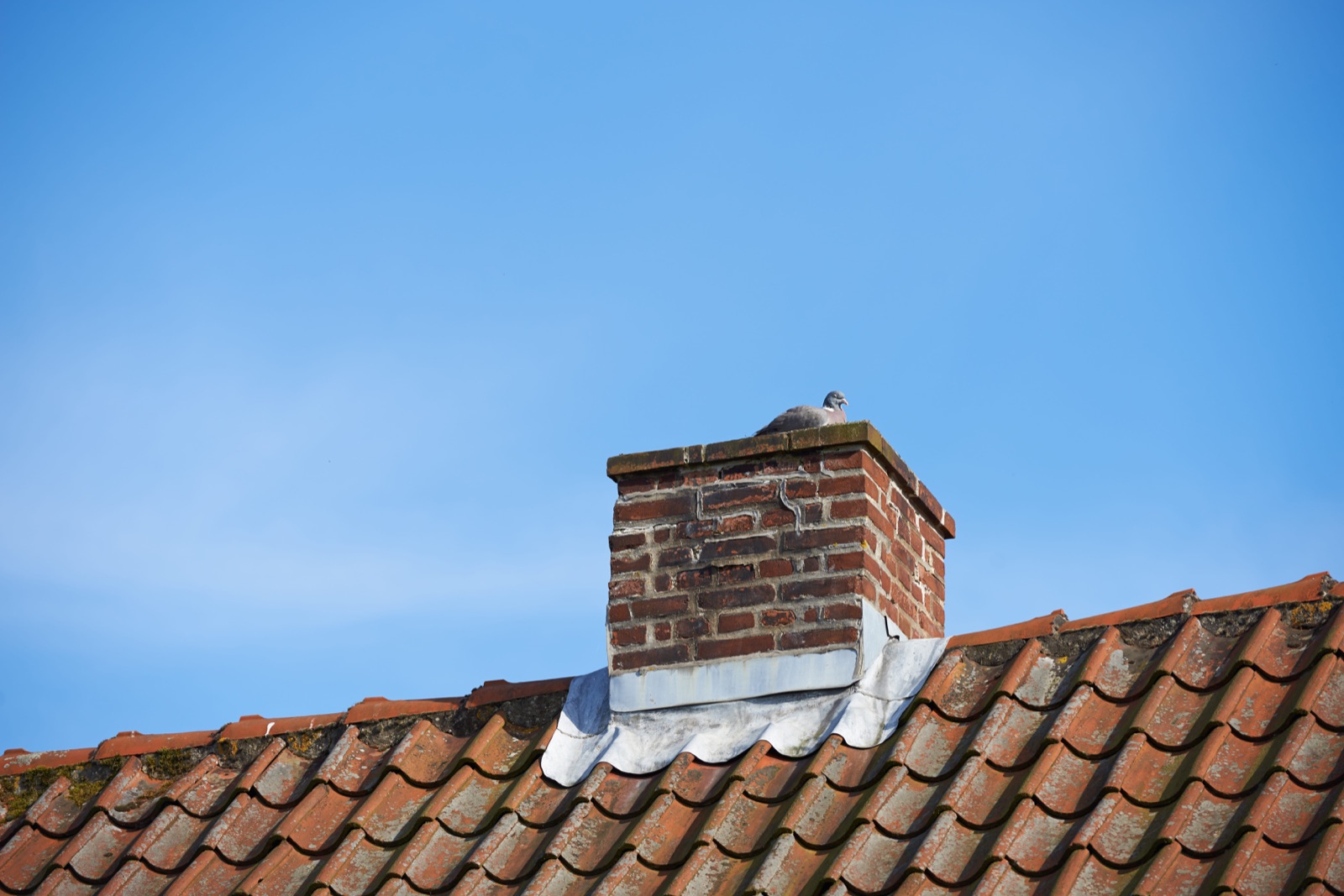
As Toronto nights get colder, the wildlife in your neighbourhood starts looking for somewhere warm and sheltered to spend the winter. To a raccoon or a squirrel, an uncapped chimney looks like the perfect spot: tall, dry, protected from wind and right next to a heated house.
If you’ve started hearing scratching, rustling or chirping from your fireplace, you’re not alone. Here’s why fall is such a busy season for chimney animals, what to do (and not do) if something has moved in, and how to make sure it doesn’t happen again.
Why Animals Move Into Chimneys in the Fall
A chimney offers everything an animal wants when the weather turns: height, shelter from rain and snow, and warmth radiating from the house. Toronto’s mature neighbourhoods, with older brick homes, tall trees and plenty of food sources, make chimneys especially easy to reach.
The animals we most often find in chimneys around the GTA are:
- Raccoons. Strong climbers that can get onto a roof from a tree, downspout or fence. They look for den sites in the fall to ride out the winter and may stay well into spring.
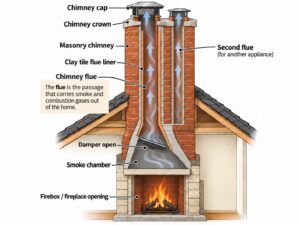
- Squirrels. They can fall into a chimney and get trapped, or build nests of leaves and twigs on the smoke shelf or damper.
- Birds. Some build nests at the top of the flue, and others fall in and can’t fly back out of the narrow, smooth flue.
Signs Something Is Living in Your Chimney
- Scratching, scurrying or thumping sounds, especially at dawn and dusk
- Chirping or chattering from inside the fireplace
- Leaves, twigs or nesting material falling onto the damper or into the firebox
- A strong, unpleasant odour from the fireplace
- Smoke backing up into the room the first time you light a fire
- A missing, bent or damaged chimney cap you can see from the street
That last sign is the most important. If your chimney doesn’t have a properly fitted cap, it is effectively an open door.
What NOT to Do
When there’s an animal in the chimney, the instinct is to deal with it fast. These common approaches can make things worse.
Don’t light a fire to smoke it out
This is the most common mistake. A nest of leaves and twigs is highly flammable and can ignite inside the flue. A trapped animal may not be able to escape, and a blocked chimney can push smoke and carbon monoxide back into your home. Never light a fire if you suspect an animal or a nest is inside.
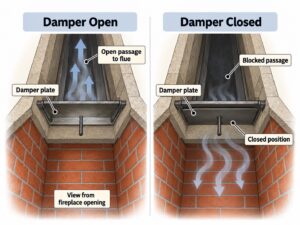
Don’t open the damper to let it out
An open damper can give a frightened raccoon or squirrel a direct path into your living room. Keep the damper and any fireplace doors closed until the animal has been removed.
Don’t trap it and drive it across town
It may seem humane, but in Ontario it is illegal to relocate wildlife more than one kilometre from where it was found. Animals moved far from their territory often don’t survive, and some leave young behind.
Don’t pour chemicals or repellents down the flue
They rarely work in a chimney, can harm the animal, and can leave residue and odours in the flue that you’ll smell every time you light a fire.
A Special Case: Chimney Swifts
If you’ve heard chirping from your chimney in the summer, you may have hosted chimney swifts, small, dark birds that once nested in hollow trees and now rely heavily on chimneys. They’re sometimes called “chimney sweep birds.”
Chimney swifts are listed as a threatened species in Ontario, and they’re also protected federally. Their active season generally runs from spring through early fall, after which they migrate to South America. A chimney that swifts are actively using should not be disturbed.
Altering a chimney that swifts have used can also come with provincial requirements. If you know or suspect swifts have nested in your chimney, talk to us before you cap it or have any work done, so we can make sure it’s handled properly.
What to Do If You Have an Animal in Your Chimney
- Stop using the fireplace. Don’t light a fire, and keep the damper and doors closed.
- Listen and watch. Note when you hear activity and whether it sounds like one animal or several. This helps whoever removes it.
- Call a professional. Chimney animal removal takes specialized tools and experience working on roofs and inside flues. For raccoons and other mammals, a licensed wildlife removal company may also be involved.
- Have the chimney cleared and inspected. Once the animal is out, nests, debris and droppings need to be removed. Debris can block the flue, and droppings can carry parasites and disease.
- Cap it. The only reliable way to keep animals out is a properly sized, securely fastened chimney cap with mesh screening.
A1 Quality Chimney clears hundreds of chimney blockages and animal nests every year. Learn more about our animal and blockage removal service.
How to Keep Animals Out for Good
Prevention is far easier, and cheaper, than removal. Before winter sets in:
- Install a quality chimney cap. A cap with stainless steel mesh keeps animals out while letting smoke escape. Our article on what a chimney cap is and why it matters explains the basics, and we can measure and install the right cap for your chimney.
- Check your existing cap. Raccoons are strong and persistent. A loose, rusted or bent cap can be pried off. If you can see damage from the ground, have it looked at.
- Never seal the chimney shut at the top. It may seem like a quick fix for an unused chimney, but it traps moisture and causes damage. Here’s why you should never seal your chimney at the top.
- Trim back overhanging branches. Branches near the roof give raccoons and squirrels an easy route to the chimney.
- Remove food sources. Secure green bins and garbage, and bring in pet food and bird seed.
- Book your annual sweep and inspection. A technician will spot early signs of animal activity, such as a damaged cap or nesting material on the smoke shelf, before they become a problem.
Make Sure Your Chimney Is Clear Before You Light Your First Fire
Even if you haven’t heard anything, a chimney that sat unused all summer can hide a nest or debris. If you’re not sure, or you’re not sure how to open and close your flue safely, it’s worth a quick check before the first fire. A clear, capped and inspected chimney is the best way to start the heating season.
A1 Quality Chimney has been helping homeowners in Toronto, Mississauga, Vaughan, Markham and Brampton for over 40 years. Our WETT-certified technicians can clear blockages, remove nests and install a cap that keeps animals out all winter.
Hearing noises in your chimney, or missing a cap? Call A1 Quality Chimney at (416) 231-6560 or book online before the cold weather settles in.